

December 3, 2025
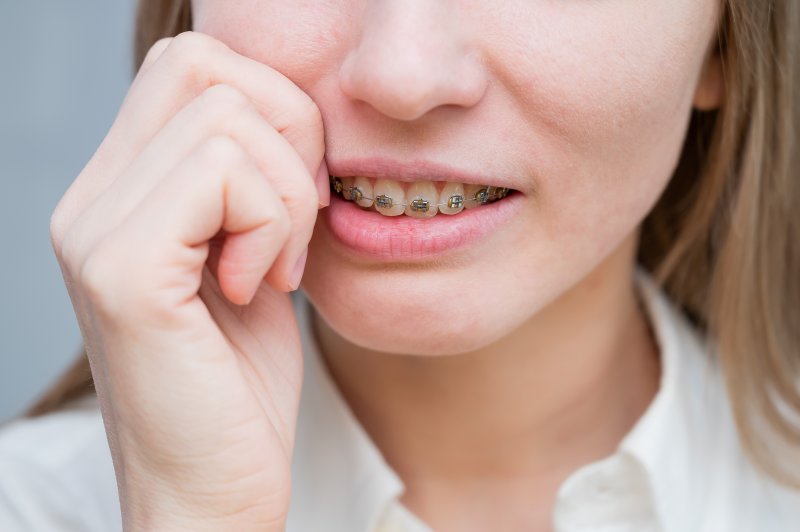
One of the chances you take when agreeing to wear braces is that an orthodontic emergency might occur. An accident can cause discomfort or a potential setback, depending on the severity of the damage. How can you know when to seek professional help, though? Are certain injuries more serious than others? Can some be treated at home? Read on to learn which emergencies constitute a visit to your orthodontist.
What Are Some of the Most Common Orthodontic Emergencies?
Your orthodontist wants to know anytime a problem occurs during your treatment, so make sure to call and schedule an appointment if you sustain any of the following:
- A broken bracket or archwire
- A lost or broken clear aligner
- You’ve swallowed a loose piece of your appliance (i.e., bracket or elastic band)
- Your bands or spacers become loose
- You develop an infection or inflammation around your teeth and gums
- You experience persistent pain after undergoing an adjustment
- You suffer facial trauma that impacts your orthodontic appliances
- You start to have an allergic reaction to the materials
Although some of these situations are less urgent than others (i.e., oral sores, post-adjustment discomfort, etc.), it’s always best to call and alert your orthodontist. A team member can evaluate the seriousness of the injury or pain and determine how soon you should come in for an appointment.
How Can You Avoid an Orthodontic Emergency?
It may not be possible to avoid all orthodontic emergencies, but you can take steps to lower your risk and keep your treatment on track. You can do this by:
- Continuing to practice good oral hygiene habits at home, like brushing, flossing, and rinsing. If necessary, purchase a water irrigator to help push out food and bacteria from between your teeth to keep plaque from forming.
- Avoid hard and sticky foods, as these can damage your brackets and wires.
- Wear a proper mouthguard if you plan to play sports, as this will create a barrier of protection around your braces so that you don’t suffer serious dental damage.
- Adhere to the instructions provided by your orthodontist, like using the proper instruments to clean your teeth (i.e., interdental brush), drinking plenty of water to flush out harmful bacteria, using orthodontic wax if you develop a small oral sore, etc.
Following these tips and knowing when to seek help for an orthodontic emergency will give you the best chance to stay on track while working toward a straighter smile.
About the Author
As an orthodontist in Dallas, Dr. Patricia Simon views each patient’s smile as a work of art. While delivering carefully crafted solutions to ensure proper tooth movement and beautiful aesthetics, she remains ready to treat unexpected orthodontic emergencies when they occur. If you or a loved one has a broken bracket or protruding wire that needs fixing, visit our website or call (214) 826-9000 to schedule an appointment with Dr. Simon.